Gingerbread by Helen Oyeyemi

Gingerbread.jpg

The gingerbread at the heart of Helen Oyeyemi’s sixth novel has a startling impact on those who eat it, not least the three generations of women from one family who make it. Harriet Lee, whose mother Margot and daughter Perdita also follow the recipe, “ate a piece of gingerbread and tingled all over. It was a square meal and a good night’s sleep and a long, blood-spattered howl at the moon rolled into one.”

Readers of Oyeyemi’s previous novel Boy, Snow, Bird (2014) will remember it was based loosely on Snow White and when a character called Gretel turns up alongside the gingerbread this time round, the stage seems to be set for a warped fairytale. 

continue reading
 

Educated by Tara Westover

Educated.jpg

Tara Westover already numbers among her fans former US President Barack Obama, who called the writer to discuss her book.  He praised Westover’s first book as a “remarkable memoir of a young woman raised in a survivalist family in Idaho who strives for education while still showing great understanding and love for the world she leaves behind”. The last point is significant – whilst Educated can be seen as a clarion call for education, Westover’s motivation (perhaps surprisingly) does not seem to be sheer rage. 

The first half of the book deals with Westover’s childhood as the youngest of five children in a radical survivalist Mormon family and is full of warm memories.

continue reading
 

Blood by Maggie Gee

Blood by Maggie Gee.jpg

Maggie Gee has written 14 novels including The White Family, which was shortlisted for the Orange Prize (now the Women’s Prize). Blood, her latest, is a bizarrely misfiring black comedy. The setting is Thanet, which was the only Ukip-held council in Britain until March last year, when almost half of its councillors resigned and formed a breakaway group. The choice of Thanet is not accidental, and one’s initial hope was that this might be the first great Brexit novel.

Brexit is mentioned, but the narrative is dominated by 38-year-old ‘buxom bruiser’ Monica Ludd, an unconventional deputy head at a local secondary school, who we are repeatedly told is six foot.

continue reading
 

Adèle by Leila Slimani

Adele by Leila Slimani.jpg

Leila Slimani’s “Lullaby” was the best selling book in France in 2016 before becoming an international success. “Adèle” came out in France before “Lullaby”, but this is its first outing in English, in a sharp and nuanced translation from Sam Taylor. It is a short, disturbing novel, written in the present tense and set in a bleak and amoral Paris.

Like Emma Bovary, Adèle is married to a doctor. She also echoes the nihilism of Flaubert’s heroine. Adèle is a successful journalist, but thoroughly bored by her rather proper, borderline-prudish husband Richard. She feels excluded – almost redundant – because of her husband’s fierce love for their child. She is also obsessed by transgressive sex – with her boss, her best friend’s boyfriend, and a pair of male prostitutes.

continue reading
 

Another Planet by Tracey Thorn

Another Planet.jpg

Tracey Thorn, the singer-songwriter and one half of the band Everything But the Girl, now feels like she lives a conventional middle-class life in north London, with her three children and partner of over 30 years. Even this apparently settled life doesn’t stop her father commenting: “Oh, Tracey. She’s from another planet.” We shouldn’t be surprised. After reading Thorn’s first memoir Bedsit Disco Queen, he said “I never knew Tracey was so into music”—this about a woman who has sold over nine million records.

Another Planet, Thorn’s second memoir, is full of such moments of low-key comedy but there is also a serious side to the estrangement that she felt from her parents. She is candid about how the “distance that had grown up between me and my parents in my teens never quite closed up.”

continue reading
 

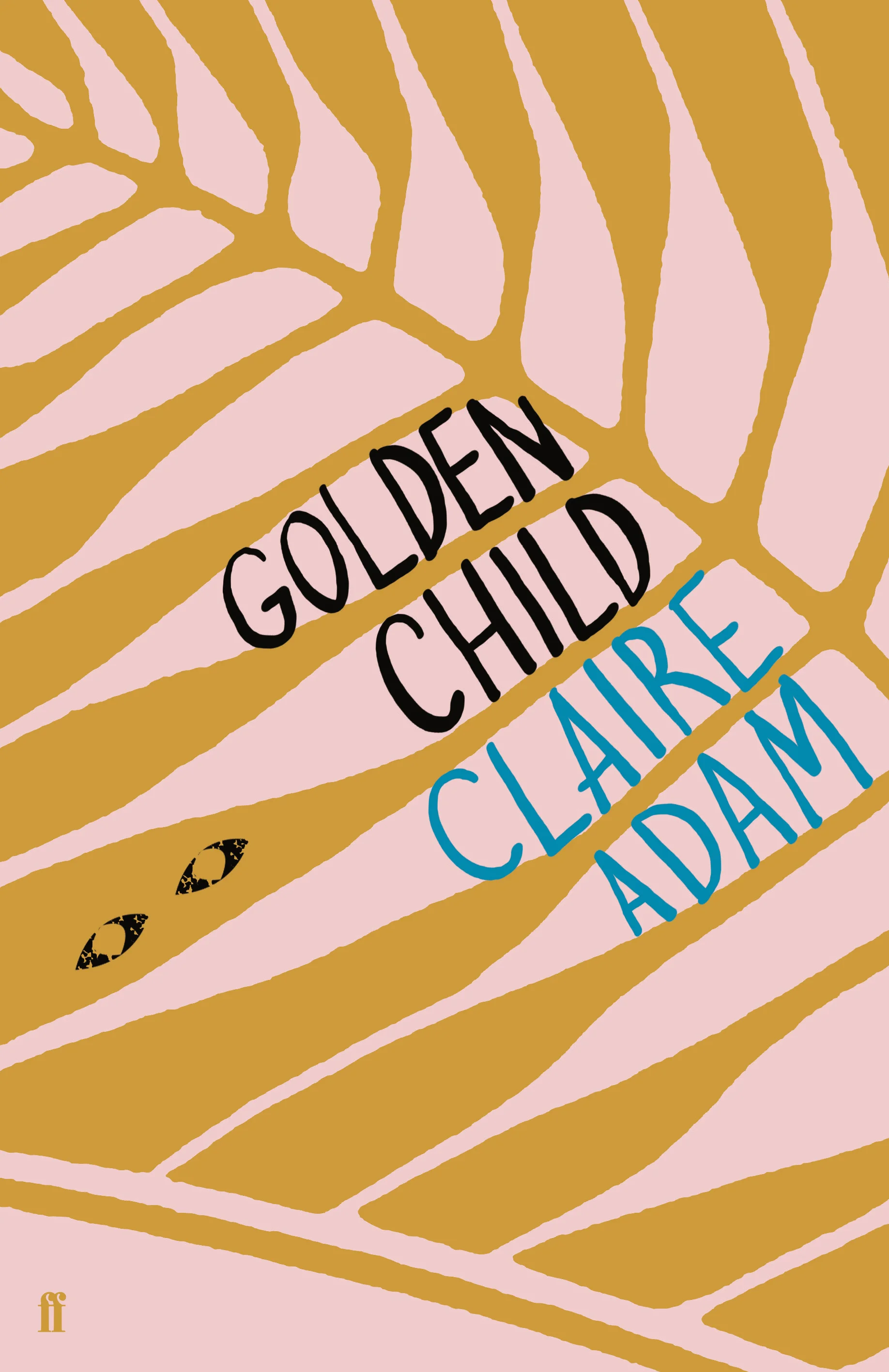
Golden Child by Claire Adam

Golden Child.jpg

Twins make up only a small fraction of the population but loom disproportionately large in literature. They are handy for storylines involving mistaken identity and creepy synchronicity, and offer the chance to show how people whose lives begin in the same place can take drastically different paths. A contrast between dissimilar twins is at the heart of “Golden Child”, Claire Adam’s assured and compelling first novel, which is set in rural Trinidad, where she grew up, during the 1980s.

Unlike Viola and Sebastian in “Twelfth Night”, Peter and Paul Deyalsingh do not appear to be “An apple, cleft in two”. Not at all. Paul “tends to slink around”, while Peter “walks with a bold step”. The boys—aged 13 when the book opens—have been treated differently from the beginning. Paul was deprived of oxygen at birth; a doctor suggested to the twins’ father, Clyde, that “mental retardation” might have resulted.

continue reading